Breaking Down the Censorship War: Who Controls What We See?
In a world where information travels at lightning speed, controlling what people see has become more powerful than ever. From social media feeds to mainstream news outlets, the flow of information is no longer free and open—it’s filtered, moderated, and in many cases, censored. The big question is no longer if censorship exists, but who decides what stays visible and what disappears.
The censorship war is real, and it’s happening on multiple fronts—governments, tech giants, media companies, and even the public are involved. But what’s driving this battle, and how much of it is about protecting people versus controlling them? Let’s break it down.
What Is Modern Censorship?
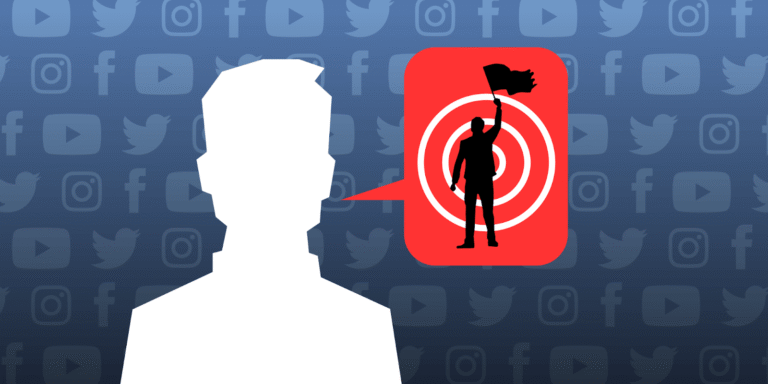
Censorship today is not just about banning books or muting voices—it’s far more complex. In the digital age, it includes the algorithms that decide what shows up in your feed, the community guidelines that remove certain posts, and the policies that silence specific viewpoints.
Unlike traditional censorship, which was direct and visible, modern censorship is subtle and systematic. You may not even realize content is missing because it’s quietly filtered out before you ever see it. This creates an illusion of freedom, while behind the scenes, powerful entities are shaping your digital experience.
The Role of Governments in the Censorship Game
Governments across the globe have long used censorship as a tool to maintain control. In authoritarian regimes, censorship is open and aggressive. News is state-controlled, dissent is criminalized, and online spaces are heavily monitored.
But censorship isn’t limited to dictatorships. Even in democratic societies, there’s growing concern about governments influencing what information is accessible. Laws around “national security,” “misinformation,” and “hate speech” are often used as justifications to block content or silence critics.
In some cases, governments pressure tech companies to take down posts or ban users. This kind of indirect censorship raises serious questions about transparency and accountability. Who decides what counts as harmful content? And is it truly about public safety, or just protecting those in power?
Big Tech and Algorithmic Control
While governments play their part, much of the control today lies in the hands of tech giants—companies like Meta (Facebook and Instagram), Google (YouTube), X (formerly Twitter), and TikTok. These platforms are the new gatekeepers of information, and their influence is massive.
Algorithms are the invisible force behind what you see online. They’re designed to keep you engaged by showing content that aligns with your interests—but that also means they filter out anything that doesn’t “perform well” or fit a certain narrative. This creates echo chambers where people only see ideas they already agree with, while opposing views are pushed into the shadows.
Worse, these platforms have been known to suppress content manually too. Whether it’s deplatforming controversial voices or flagging posts as false information, they hold the power to elevate or erase ideas. And because these companies are private, they don’t owe the public any explanation for their decisions.
Media Manipulation and Narrative Building
Traditional media still plays a significant role in shaping public perception. But like tech companies, many media outlets have their own biases—political, financial, or ideological. Ownership matters. A handful of corporations own a majority of the world’s media, and their interests influence editorial decisions.
Selective coverage is a subtle but effective form of censorship. If a news outlet chooses not to cover a story, or frames it in a particular way, they can shape how people understand an issue—or whether they’re even aware of it at all.
This kind of censorship is less about deleting information and more about controlling the narrative. It’s about emphasizing some facts while ignoring others, and using language to frame events in a certain light. Over time, it changes how society thinks and talks about important issues.
The Rise of “Cancel Culture”
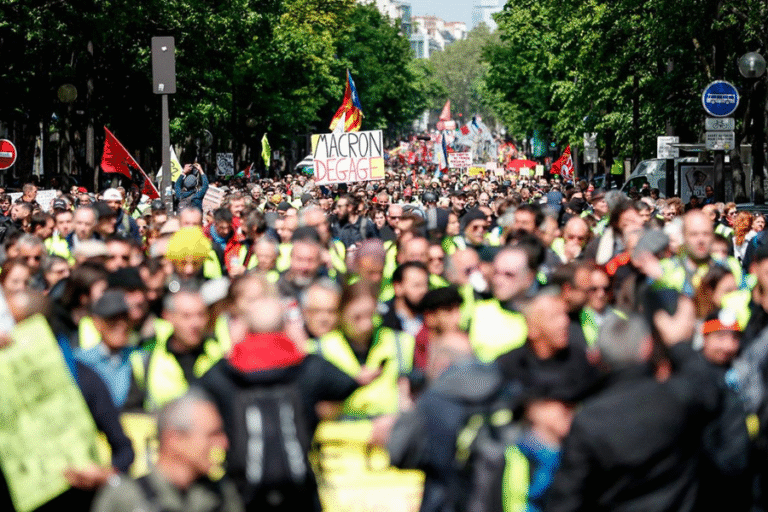
Another layer of modern censorship comes from the public itself, often through what’s now known as “cancel culture.” This is when individuals or groups pressure others to retract statements, lose jobs, or disappear from public platforms due to controversial opinions or behaviors.
While holding people accountable is important, cancel culture can also become a form of mob censorship. It can silence necessary conversations and discourage people from expressing unpopular but important views. The fear of backlash can lead to self-censorship, where people hold back ideas simply to avoid controversy.
In this way, censorship isn’t just top-down—it’s also peer-enforced. Social pressure plays a powerful role in shaping what is acceptable to say, and what gets buried.
Is Censorship Ever Justified?
This is a difficult but important question. Most societies agree that some level of content moderation is necessary—especially when it comes to hate speech, incitement to violence, or dangerous misinformation. But where is the line between protection and control?
The problem arises when the definition of harmful content becomes too vague or broad. Words like “misinformation,” “extremism,” or “offensive” can mean different things to different people—and those in power can use these terms to suppress opposing viewpoints under the guise of safety.
Transparency is key. People should know when content is removed or suppressed, and why. Without open standards and public oversight, censorship becomes a tool for abuse rather than safety.
The Importance of Media Literacy and Independent Thought
In this complex and controlled media environment, the best defense is an informed and critical public. Media literacy—understanding how information is produced, filtered, and framed—is more important than ever. People need to question what they see, seek out multiple sources, and think for themselves.
Relying on one platform or outlet for news creates a limited worldview. The more diverse your sources, the more likely you are to see the bigger picture. Independent journalism, alternative media, and long-form content can provide deeper context than a 30-second clip or trending headline.
Who Really Controls What We See?
There is no single answer. The truth is that control is shared—between governments, corporations, the media, and society itself. But that doesn’t mean we are powerless.
Awareness is the first step. When people begin to understand the systems behind the information they consume, they are less likely to be manipulated by them. Conversations about censorship should not be limited to politics or technology—they are fundamentally about freedom, truth, and the future of human thought.
Final Thoughts
The censorship war is not about silencing one voice or platform. It’s about the battle over perception, truth, and control. In a time when information shapes everything from politics to personal beliefs, the ability to control that flow becomes a powerful weapon.
As individuals, we must stay vigilant. Ask questions. Seek the full story. Don’t take headlines at face value. Because once we allow others to control what we see, we begin to lose the power to think freely—and that is the greatest censorship of all.