Uncovering the Truth Behind Global Protests: What’s Really Going On?
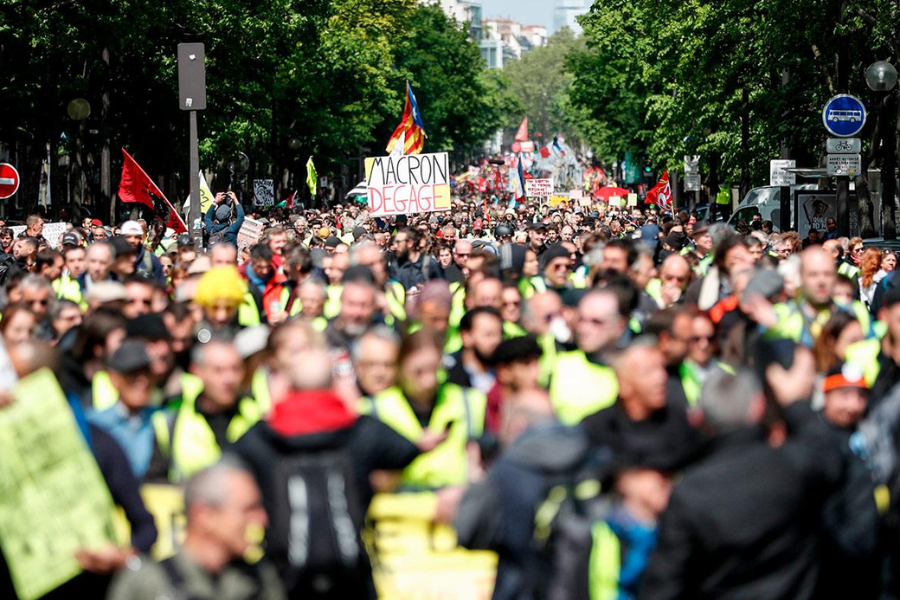
In every corner of the world—from bustling cities to quiet rural towns—people are rising up. The headlines are everywhere: protests in the streets, chants echoing through public squares, flags waving high, and signs demanding justice. Whether it’s about government policies, economic collapse, climate inaction, police violence, or human rights, mass movements are happening more frequently and with greater intensity than ever before.
But what’s really going on beneath the surface? Why are so many people choosing to take to the streets? Is this just random unrest, or is there a deeper pattern? And most importantly, what is the truth that the mainstream narrative often fails to reveal?
Let’s take a closer look.
A Global Surge in Protests: The Pattern We’re Not Talking About
While each protest might appear localized, unique to a country’s specific context, there’s an undeniable global pattern at play. From the United States to Iran, from France to Sudan, from India to Chile—millions are pushing back against systems they believe no longer serve them.
At the heart of it all lies a common frustration: people are losing faith in institutions meant to protect and represent them.
Governments are being accused of corruption. Elites are seen as out of touch. Inequality is soaring. The middle class is shrinking. Civil liberties are under pressure. And amid all of it, ordinary citizens are waking up and realizing something is very wrong.
What Drives These Mass Movements?
1. Inequality and Economic Injustice
One of the biggest triggers behind global protests is economic disparity. In many countries, the wealth gap between the top one percent and the rest of the population is widening.
People are working harder, earning less, and struggling to survive while watching billionaires grow richer by the day. Rising costs of living, stagnant wages, unemployment, and unaffordable housing are common complaints that have driven protests in places like Argentina, Lebanon, and even the UK.
This isn’t just about poverty—it’s about injustice.
2. Corruption and Political Failure
People are fed up with broken promises and leaders who seem more focused on power than service. Corruption scandals, rigged elections, and abuse of authority have all contributed to growing anger. Citizens no longer trust that their governments are acting in their best interest.
In countries like Pakistan, Nigeria, and Brazil, corruption has become a flashpoint, sparking national movements and widespread discontent.
3. Suppression of Rights and Freedoms
Protests often erupt when people feel their basic freedoms are being stripped away—freedom of speech, freedom of religion, freedom to protest, or even freedom to live safely.
Movements like the protests in Iran following the death of Mahsa Amini or the anti-authoritarian demonstrations in Belarus are rooted in the public’s demand for dignity and rights.
4. Climate and Environmental Activism
Younger generations in particular are demanding action on climate change. Inaction from world leaders and corporate greed have driven youth-led protests from Europe to Asia. This isn’t just about the environment—it’s about survival and the future.
Movements like Fridays for Future, Extinction Rebellion, and indigenous resistance against deforestation highlight the connection between land, life, and justice.
Are All Protests Genuine?
This is a difficult but necessary question.
While many movements are grassroots and driven by the people, others are infiltrated or even sparked by political actors, NGOs with hidden agendas, or foreign influence. Sometimes, protests are co-opted by groups with very different intentions from those who started them.
That doesn’t invalidate the core reasons behind the protests—but it reminds us to remain critical of who might benefit from chaos or unrest.
The Role of Media: Whose Story Gets Told?
Mainstream media plays a crucial role in shaping how protests are viewed. But the problem is, media often paints an incomplete—or biased—picture.
In one country, protestors may be labeled as heroes. In another, they are called extremists or threats. The same footage can be interpreted in multiple ways depending on the political agenda behind the outlet presenting it.
Governments have also been known to censor, distort, or underreport protests entirely. In some nations, journalists are arrested for covering demonstrations. In others, social media platforms are blocked, or the internet is cut off completely.
When information is filtered, twisted, or erased, it becomes much harder for the global community to understand what’s really happening.
Technology: A Double-Edged Sword
On one hand, smartphones and social platforms have made it easier than ever for protestors to organize, communicate, and share their side of the story. Live streams from the ground, viral hashtags, and independent media have helped bypass traditional gatekeepers.
On the other hand, the same technology is used for surveillance. Protestors are monitored through facial recognition, tracked via mobile data, and in some cases arrested for what they post online.
The digital world has become both a battlefield and a weapon in the war for truth.
Are Protests Making a Difference?
Some protests succeed in changing laws, ousting leaders, or drawing attention to forgotten issues. Others are violently suppressed or fade without resolution. But even when protests don’t result in immediate change, they do something powerful—they break silence.
They remind the world that people still care, still resist, still believe that a better future is possible.
Movements like the Arab Spring, Black Lives Matter, India’s farmer protests, and Chile’s constitutional revolution have reshaped national and international discourse. They’ve shifted public consciousness and forced issues into the light that many would rather keep hidden.
The Hidden Truth: Protests as a Sign of Systemic Collapse
When peaceful protests become the only option left for millions of people, it’s a signal that institutions are failing. That voting, courts, or dialogue are no longer enough. That people feel unheard, unseen, and unprotected.
In many ways, global protests are not just reactions to specific problems—they are symptoms of a deeper disease. A world order that prioritizes power, profit, and control over people, justice, and truth.
So What’s Really Going On?
We are living through a global awakening. People are starting to see beyond propaganda. They’re questioning authority. They’re organizing across borders. They’re realizing that the world doesn’t have to be this way.
This is why protests are happening everywhere. Not because people are angry for no reason—but because they’re finally refusing to be silent.
The real truth? Governments, corporations, and media powers are being challenged in a way they haven’t been in decades. And that scares them.
What Can You Do?
You don’t have to be on the frontlines to care or to help. Here’s how you can support real change:
- Educate yourself beyond headlines and curated narratives.
- Listen to the voices of protestors—not just politicians or pundits.
- Support independent journalism that dares to ask hard questions.
- Amplify marginalized voices, not just mainstream movements.
- Vote, when possible—but don’t stop there. Engage, organize, speak up.
Final Thoughts
Protests are more than just events. They’re signals. They tell us where the world is hurting, where people feel broken, and where change is most needed.
We should not fear them. We should understand them.
Because the more we uncover the truth behind these movements, the more we recognize our shared humanity, our collective struggle—and perhaps, the power we still hold.