Is Social Media Making Us Smarter or More Controlled?
We live in the age of constant connection. Every swipe, scroll, like, and share is part of our daily rhythm. Social media platforms—Facebook, X (formerly Twitter), Instagram, TikTok, YouTube—are no longer just apps. They’ve become our town squares, our newsrooms, our classrooms, and even our therapists.
But here’s the big question: is social media making us smarter and more informed—or are we being quietly controlled without even realizing it?
At first glance, it seems like we’ve never been more empowered. With a phone in your hand, you can learn anything, connect with anyone, and express everything. But behind the surface, there’s a different story unfolding—one where algorithms guide our thoughts, data is harvested, and attention is bought and sold like a commodity.
Let’s break down the truth behind this digital paradox.
The Promise: A Smarter, More Connected World
When social media first exploded, it was hailed as revolutionary. And in many ways, it is.
1. Access to Information
With a few clicks, you can now access entire libraries, breaking news, expert opinions, and grassroots knowledge. Platforms like Reddit, Quora, and YouTube have democratized learning. People are teaching themselves coding, politics, cooking, and even philosophy—without ever stepping into a classroom.
2. Global Awareness
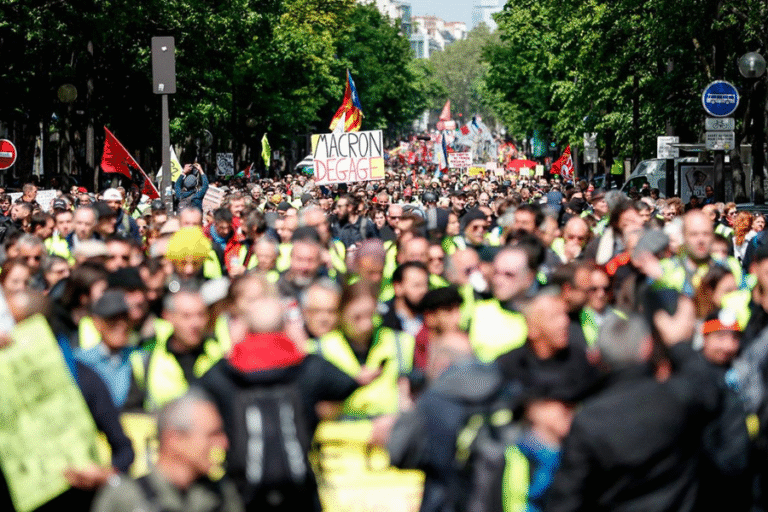
Social media has given ordinary people the power to raise global awareness. When a tragedy occurs in one corner of the world, it can now go viral within minutes. Issues that were once hidden—like police brutality, environmental destruction, or political corruption—are now impossible to ignore.
3. New Forms of Expression
Memes, reels, long-form videos, and digital art—social media has birthed entirely new ways of communicating and connecting. It allows creativity to thrive and voices to be heard that traditional media might silence.
But at What Cost?
While social media offers powerful tools for learning and connection, the trade-off is steep. Behind the filters and hashtags is a complex machinery designed not to empower you, but to influence and control you.
The Dark Reality: You’re Being Watched, Fed, and Nudged
1. Algorithmic Control
You might think you’re in control of your feed, but it’s actually the algorithm that decides what you see. These systems are designed to keep you engaged—not informed. That means content that triggers strong emotions (anger, fear, outrage) is pushed to the top, while calm, balanced information often gets buried.
Over time, your worldview narrows. You see what aligns with your existing beliefs, while opposing viewpoints disappear. This creates echo chambers—digital bubbles that reinforce, not challenge, your thinking.
2. Data as Currency
Every click you make is tracked. Your interests, your habits, your fears—all are packaged into data and sold to advertisers, governments, or anyone willing to pay. Social media doesn’t exist to serve you—it exists to profit from your attention.
Even worse, predictive algorithms can guess what you might think or do next—and then subtly nudge you toward that outcome. This is the invisible layer of control: not by force, but by influence.
3. Addiction by Design
These platforms are engineered to be addictive. Endless scrolls, push notifications, likes and comments—they’re all psychological hooks. You get small dopamine hits that keep you coming back for more. It’s not accidental. It’s design.
And when people spend more time glued to their screens, they often lose touch with real-world experiences, deep thinking, and face-to-face relationships.
The Illusion of Free Speech
While social media gives everyone a voice, that voice is still subject to censorship, shadowbanning, or de-platforming—especially when opinions go against mainstream narratives or political correctness.
Many users report content mysteriously disappearing or being throttled. Platforms claim to fight “misinformation,” but the question remains: who decides what’s true and what’s false?
In this digital landscape, free speech often comes with hidden conditions.
So… Are We Smarter?
Yes—and no.
Smarter Because:
- We have access to more knowledge than ever before.
- We’re exposed to global ideas, causes, and cultures.
- We’re better at understanding how the world could work.
But Also More Controlled Because:
- Our information is filtered, biased, and manipulated by algorithms.
- Our opinions are shaped by groupthink, trends, and influencer culture.
- Our attention is constantly hijacked, leaving little room for reflection or depth.
In short, we’re information-rich, but often wisdom-poor.
Reclaiming Control: Can We Use Social Media Without Being Used?
Yes—but it takes intention and awareness.
1. Curate, Don’t Consume
Be mindful of what you follow. Choose sources that challenge your thinking and broaden your view—not just ones that echo your beliefs.
2. Limit Your Time
Set boundaries. Endless scrolling eats away at your mental clarity. Take digital breaks to reconnect with reality.
3. Fact-Check Everything
Don’t take viral content at face value. Always question the source, verify the facts, and dig deeper.
4. Own Your Data
Use privacy tools, avoid unnecessary sharing, and understand the terms you’re agreeing to. Your data is valuable—treat it that way.
5. Think Critically
Just because it’s trending doesn’t mean it’s true. Think before you repost, like, or comment. Social media rewards impulsive behavior—resist it.
Final Thoughts
Social media is a tool. Like any tool, its impact depends on how we use it—or how it uses us.
It can open minds or close them. It can liberate or control. It can spark revolutions or spread distractions. The choice, ultimately, is ours.
So, ask yourself every time you open an app: Are you scrolling with awareness, or sleepwalking through someone else’s narrative?
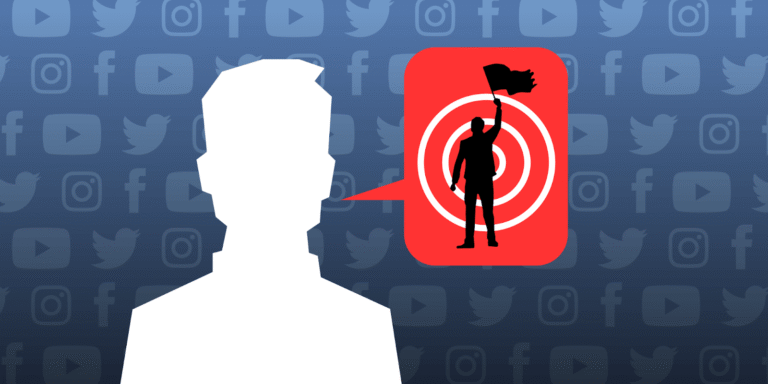
Because in the war for your attention and beliefs, knowing you’re being targeted is the first step toward real freedom.