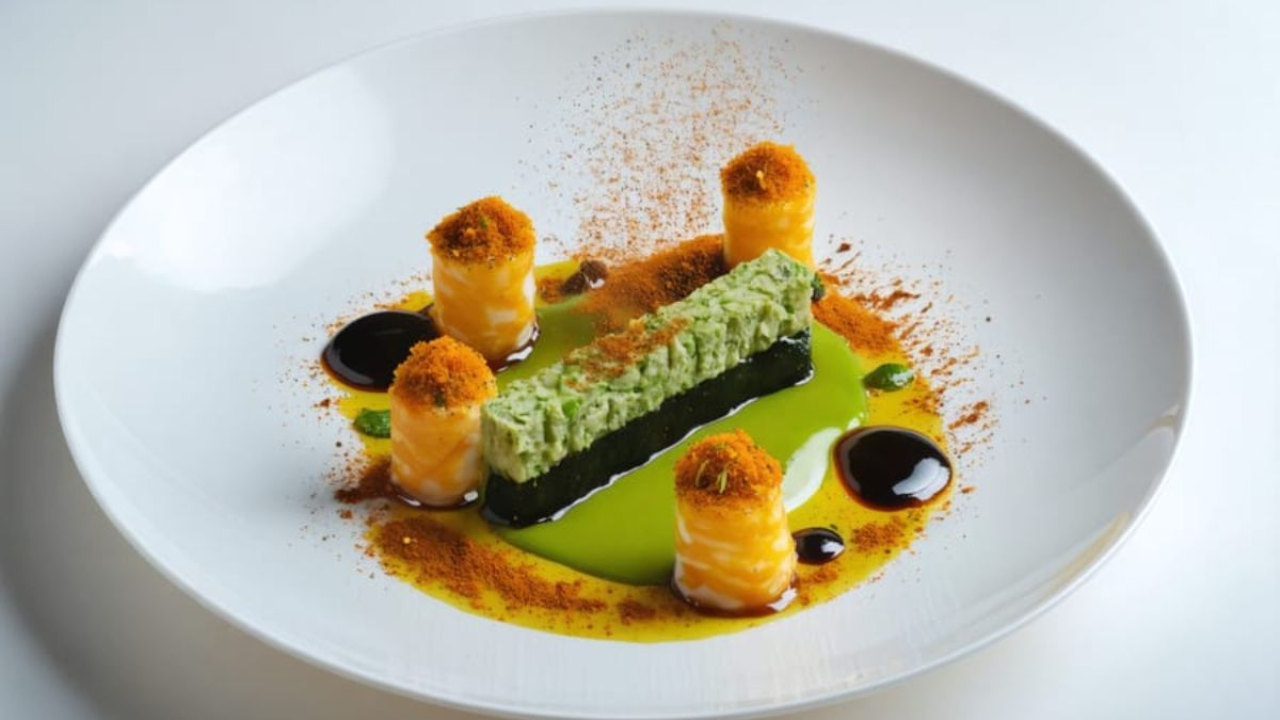
The Story of Soutaipasu: A Dish That Carries Culture and Flavor
Soutaipasu, your go-to place to explore the story behind one of the most fascinating traditional dishes shaped by culture, creativity, and flavor. Food often tells stories that history books cannot. Some dishes come from necessity, others from celebration, and a few become symbols of identity for entire communities. Soutaipasu belongs to that special category.
When we talk about soutaipasu, we are not just talking about a plate of food. We are talking about a journey that connects generations. Every ingredient has meaning, every cooking step has a purpose, and every serving carries a sense of warmth that people instantly recognize.
Across kitchens and family tables, soutaipasu has slowly earned its place as something more meaningful than a recipe. It represents heritage, patience, and the beauty of bringing simple ingredients together in a thoughtful way. In this article, we explore the story, the flavors, and the cultural significance that make soutaipasu so special.
Origins
The roots of soutaipasu stretch far back into culinary traditions that valued resourcefulness and flavor. Long before modern restaurants or digital recipes existed, people relied on local ingredients and shared cooking knowledge through families.
Soutaipasu likely began as a humble meal prepared in homes where cooks experimented with available vegetables, grains, herbs, and spices. The goal was simple: create something filling, nutritious, and comforting.
Over time, communities began refining the dish. What started as a simple combination of ingredients slowly transformed into a carefully balanced recipe. Families added their own touches, passing those variations down through generations.
This is how soutaipasu evolved from a basic meal into a dish rich with cultural meaning.
Meaning
The name “soutaipasu” itself carries a sense of tradition. In many culinary traditions, dish names often reflect preparation styles, ingredient combinations, or cultural roots.
Soutaipasu represents harmony in cooking. It blends textures, aromas, and flavors in a way that feels complete. Nothing overwhelms the dish, and nothing feels unnecessary.
Instead, the beauty lies in balance.
When people prepare soutaipasu, they are not rushing through a quick meal. The dish encourages patience and attention. That slow process gives it the comforting character people associate with home cooking.
Ingredients
One of the most fascinating aspects of soutaipasu is its versatility. While the core idea remains the same, the ingredients can vary depending on region, season, and personal preference.
Common elements often include:
- Fresh vegetables
- Aromatic herbs
- Light spices
- Grain or base starch
- A gentle broth or sauce
The vegetables provide freshness and color. Herbs bring aroma. Spices add warmth without overpowering the dish. The base ingredient gives the meal its satisfying texture.
When combined, these components create a dish that feels wholesome and complete.
Preparation
Cooking soutaipasu is not complicated, but it does reward patience. The process usually unfolds in a few simple stages.
First, the vegetables are carefully prepared. They are sliced or chopped to ensure they cook evenly and maintain their natural textures.
Next, aromatics are introduced. These may include herbs, light spices, or natural flavor bases such as garlic or onion. These ingredients form the flavor foundation of the dish.
Once the aromatics release their fragrance, the vegetables are added and gently cooked. The goal is to soften them without losing their freshness.
Finally, the base ingredient and broth are combined with the vegetables, allowing everything to simmer slowly. During this stage, the flavors blend together and the dish reaches its signature balance.
The result is a meal that feels both light and deeply satisfying.
Flavor
Soutaipasu is known for its balanced taste. Instead of focusing on strong or overpowering flavors, the dish emphasizes harmony.
You might notice:
- Gentle savory notes
- Fresh vegetable sweetness
- Mild herbal fragrance
- Warm, comforting texture
This balance makes soutaipasu suitable for almost any time of day. Some people enjoy it as a main meal, while others prefer it as a lighter dish that complements other foods.
Because the flavors are subtle yet layered, every spoonful feels comforting and familiar.
Culture
Food often reflects the values of the people who create it. Soutaipasu represents the importance of community, sharing, and slow cooking traditions.
In many homes, dishes like soutaipasu are prepared for gatherings. Family members might sit together while ingredients are chopped and stories are shared.
Cooking becomes a social experience rather than a chore.
This cultural aspect is one of the reasons soutaipasu continues to thrive even as modern food trends change. It reminds people of the value of slowing down and enjoying meals together.
Variations
Like many traditional dishes, soutaipasu has developed numerous variations over time.
Some regions prefer a thicker texture, turning the dish into something closer to a stew. Others keep it lighter, allowing the broth to remain delicate and clear.
Different vegetables also create unique versions. Seasonal produce often shapes how the dish is prepared.
For example, some variations emphasize leafy greens, while others focus on root vegetables or legumes.
These differences keep the dish interesting while still preserving its core identity.
Nutrition
Another reason soutaipasu remains popular is its nutritional balance. Because the dish relies heavily on vegetables and natural ingredients, it often provides a healthy combination of nutrients.
Vegetables supply vitamins and fiber. Herbs contribute antioxidants. Light cooking methods help preserve natural nutrients.
Depending on the ingredients used, soutaipasu can become a satisfying and nourishing meal that supports a balanced diet.
Many families appreciate this quality because it allows them to enjoy flavorful food without relying on heavy processing or artificial ingredients.
Modern Appeal
Even in today’s fast-paced world, dishes like soutaipasu continue to attract attention. People are increasingly interested in traditional foods that feel authentic and comforting.
Restaurants sometimes reinterpret classic recipes to introduce them to new audiences. Chefs experiment with plating styles, ingredient substitutions, and modern cooking techniques.
Despite these creative updates, the heart of soutaipasu remains unchanged. Its strength lies in simplicity and tradition.
That timeless quality makes it appealing to both older generations and younger food enthusiasts exploring cultural cuisine.
Home Cooking
One of the best ways to experience soutaipasu is by preparing it at home. The process encourages creativity and personal expression.
Because the dish is flexible, home cooks can adapt it based on available ingredients. If one vegetable is unavailable, another can easily replace it.
This adaptability makes soutaipasu accessible to anyone interested in cooking.
Many people also find the cooking process relaxing. Chopping vegetables, stirring the simmering broth, and smelling the rising aromas can turn an ordinary evening into a comforting culinary moment.
Serving
Presentation also plays a role in the experience of soutaipasu.
The dish is often served warm in deep bowls, allowing the colors and textures to stand out. Fresh herbs may be sprinkled on top for extra aroma and visual appeal.
Some people pair soutaipasu with bread or a grain-based side dish. Others enjoy it alone as a wholesome meal.
Regardless of how it is served, the dish carries a welcoming feeling that invites people to slow down and enjoy every bite.
Traditions
For many families, soutaipasu is more than just something they eat occasionally. It can become part of routine traditions.
Some households prepare it during cooler seasons when warm, comforting foods feel especially satisfying. Others cook it during gatherings or family celebrations.
In these moments, the dish becomes part of shared memories.
Children grow up remembering the smell of soutaipasu simmering in the kitchen, and those memories often inspire them to recreate the dish later in life.
Global Curiosity
As culinary exploration grows around the world, dishes like soutaipasu attract curiosity from people who enjoy discovering new flavors.
Food bloggers, chefs, and cultural enthusiasts often highlight traditional recipes that represent unique cooking traditions.
Soutaipasu fits perfectly into this growing interest. Its story, simplicity, and adaptability make it a fascinating example of how food travels through culture and time.
When new audiences try the dish, they often appreciate the balance and warmth it offers.
Experience
Eating soutaipasu is not just about satisfying hunger. It is about experiencing a blend of culture, flavor, and comfort.
The dish reminds us that cooking does not always need to be complicated to be meaningful. Sometimes the most memorable meals come from simple ingredients prepared with care.
Each bowl carries a sense of tradition that connects past and present.
When people gather around the table and share soutaipasu, they are also sharing stories, laughter, and a moment of connection.
Future
As food culture continues to evolve, traditional dishes face both challenges and opportunities. Fast food and convenience meals dominate many markets, but interest in authentic cooking is also rising.
Soutaipasu stands in a strong position within this shift.
Its focus on natural ingredients, balanced flavors, and cultural heritage aligns perfectly with modern interest in mindful eating and traditional cuisine.
Future generations will likely continue adapting the dish while preserving its core identity.
This balance between tradition and creativity ensures that soutaipasu will remain relevant for years to come.
Conclusion
Soutaipasu is far more than a simple recipe. It represents a story built from history, culture, and everyday cooking traditions. From its humble beginnings to its growing recognition among food lovers, the dish continues to bring people together through flavor and comfort.
What makes soutaipasu special is not just the ingredients or the preparation method. It is the feeling it creates. The dish encourages patience, sharing, and appreciation for simple culinary moments.
When we prepare and enjoy soutaipasu, we participate in a tradition that celebrates food as a connection between people and cultures.
Keep an eye for more latest news & updates on Davidicke!