The Rise of Digital Dissidents: Fighting Back Against Online Censorship
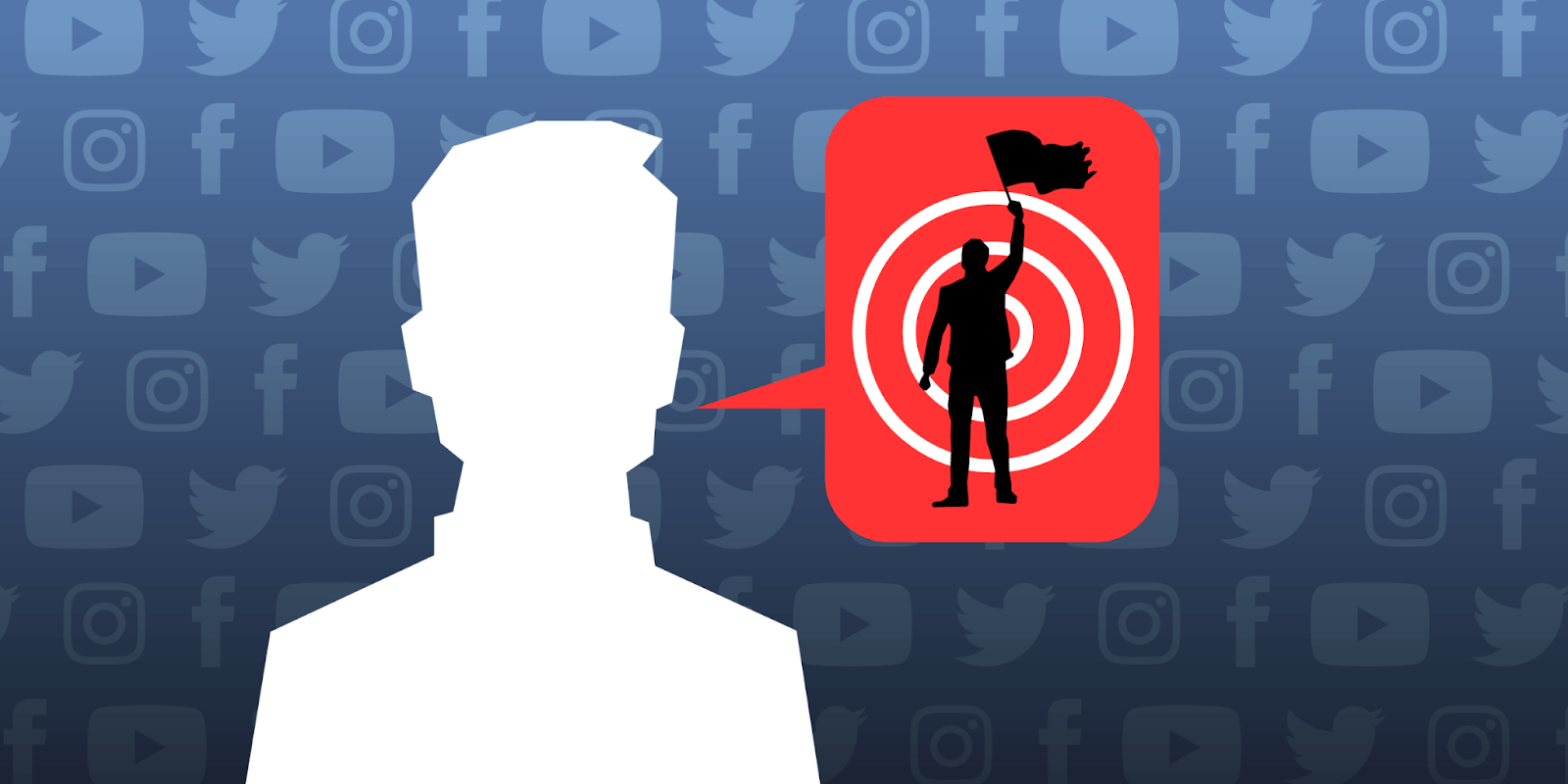
In a world increasingly driven by technology, where speech has gone digital and ideas travel faster than ever, a new form of resistance is emerging—digital dissidents. These are individuals, activists, journalists, whistleblowers, and everyday users who are challenging one of the most pressing threats of our time: online censorship.
As governments tighten their grip, corporations manipulate information, and social platforms quietly erase dissenting voices, these modern rebels are standing their ground—refusing to be silenced in a space that was once promised as the great equalizer of communication.
So, who are these digital dissidents? What are they fighting for? And how does this quiet war affect everyone using the internet today?
Let’s explore the truth behind the screens.
Censorship in the Digital Age: A New Kind of Control
Censorship has always existed in some form, but in the digital age, it has evolved. Instead of burning books or banning newspapers, the new tools of censorship include:
- Algorithmic suppression
- Shadow banning and content throttling
- Platform deplatforming
- Content labeling as “misinformation” or “harmful”
- Geo-blocking and blacklisting
- AI-based moderation without human review
- Mass surveillance and data control
This form of control is more subtle, more efficient, and harder to track. Most users don’t even realize when something has been removed or demoted in their feeds. That’s the scary part—the silence doesn’t feel forced. It just happens.
And while some of this censorship is framed as a way to fight hate speech, terrorism, or fake news, the line between protection and control is quickly blurring.
The Birth of the Digital Dissident
Digital dissidents are not necessarily hackers or cybercriminals. In many cases, they are:
- Journalists trying to report uncomfortable truths
- Whistleblowers exposing corruption, surveillance, or corporate wrongdoing
- Activists using social media to organize protests or challenge dominant narratives
- Independent content creators who question mainstream ideologies
- Ordinary citizens posting views deemed “dangerous” or “non-compliant”
These individuals are not fighting governments with weapons. They are fighting algorithms, tech policies, and information blackouts. Their crime? Refusing to conform.
From WikiLeaks and Edward Snowden, to anonymous bloggers in China, citizen reporters in Palestine, or banned influencers in the West, digital dissidents are rising in every region—often at great personal risk.
Big Tech as the New Gatekeeper
At the heart of this war is the uncomfortable truth: tech companies now hold the power once reserved for governments.
Platforms like YouTube, Facebook, X (formerly Twitter), TikTok, and Google decide:
- What content gets amplified
- What voices are silenced
- What topics are “safe” to discuss
- What is labeled as “true” or “false”
They operate under vague terms like “community guidelines” or “content policies,” but these rules are often selectively enforced and lack transparency. What one platform allows, another bans. What’s acceptable in one country is criminal in another.
And because these companies are private, they’re not bound by the same free speech protections many democracies claim to uphold. This gives them enormous, unchecked power over global conversation.
Governments Aren’t Sitting Back Either
In many parts of the world, governments are directly involved in censorship. Some tactics include:
- Passing broad laws against “fake news” that are used to arrest journalists
- Forcing platforms to take down content or hand over user data
- Launching state-run cyber units to monitor online dissent
- Shutting down internet access during protests or elections
- Criminalizing online activism under national security pretexts
What’s concerning is that both democratic and authoritarian regimes are increasingly adopting these tactics. Whether it’s under the banner of protecting the public or ensuring national security, the result is the same: less space for truth, more room for control.
Tools of the Digital Resistance
Despite increasing repression, digital dissidents are adapting. The fight back is real—and growing.
1. Decentralized Platforms
New platforms are being developed that are not controlled by corporations or governments. Examples include:
- Mastodon – decentralized social networking
- Matrix – open-source messaging
- PeerTube – a decentralized video platform
- IPFS – a distributed file system to prevent content deletion
These tools remove the middleman, giving users more control over their content and privacy.
2. Encryption and Anonymity
End-to-end encrypted apps like Signal and Telegram are now widely used for secure communication. Privacy-focused browsers like Brave and Tor help bypass censorship and surveillance.
3. Virtual Private Networks (VPNs)
In countries with aggressive internet control, VPNs allow users to access banned content, connect to international services, and remain anonymous.
4. Blockchain Technology
Blockchain-based platforms are offering ways to store data that can’t be deleted or censored. Activists are experimenting with using blockchain to protect sensitive journalism, financial donations, and evidence of human rights abuses.
The Psychological Toll
Being a digital dissident is not without cost. Many face:
- Account bans and loss of income
- Online harassment, threats, and doxxing
- Legal prosecution or arrest
- Mental exhaustion from constant surveillance
- Social isolation from cancel culture or backlash
For many, it’s a lonely and dangerous path. But they walk it anyway—because they believe truth, transparency, and freedom are worth fighting for.
Why This Affects You Too
Even if you’re not an activist or journalist, the censorship war affects you. Why?
Because the information you see—or don’t see—shapes your:
- Beliefs
- Opinions
- Decisions
- Emotions
- Votes
When powerful institutions can quietly filter reality, they can manipulate how entire populations think. That’s not just censorship—that’s programming.
And once we accept invisible censorship as normal, we begin to forget what freedom ever looked like.
What You Can Do
You don’t have to be a whistleblower to resist censorship. Small actions matter:
- Support independent journalism and content creators.
- Use secure, privacy-focused apps and platforms.
- Speak up when you see censorship—don’t stay silent.
- Diversify your sources. Don’t rely on just one platform.
- Teach others about digital rights and the importance of online freedom.
Final Thoughts
The internet was supposed to be the great equalizer—a place where anyone could speak freely, find truth, and build communities beyond borders. But the reality is shifting fast.
As online censorship grows, the role of digital dissidents becomes more vital. These individuals are not extremists. They are the early warning signs that our digital freedoms are under attack.
And the real question is no longer “Will censorship affect us?”—it’s “What will we do when it does?”
Because in a world where silence can be programmed, speaking up is the most radical act of all.